Getting Local Authority Council Housing for Single People
Can a single person get a council property?
Council housing, otherwise known as “social housing ”, aims to provide safe, comfortable homes to people who can’t afford to rent a property from a private lender, or buy their own homes.
In theory, council housing for single people should be easy enough to access, if you meet the eligibility criteria set by your local council.
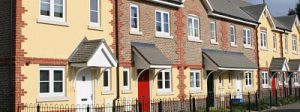
Unfortunately, the reality is that applying for social housing can be complex for single people, as the enormity of the housing shortage means that we aren’t always deemed a “priority” by local councils.
Even if you’re struggling with the single tax and finding it hard to make ends meet, you likely won’t be offered a property as quickly as others. Councils tend to prioritise people who are legally homeless, living with a disability, or experiencing hardship.
Here’s your guide to council housing for single people.
Who Can Apply for Council Housing in the UK?
Your eligibility for council housing in the UK doesn’t depend on your marital status. While local councils have their own rules for who can apply for homes (and who will be given priority), most councils will currently accept applicants for their waiting lists who:
- Have a “local connection” to the region (e.g. You already live in the area, or have a job or family in the local area)
- Don’t have a large amount of savings, or a high income.
- Are deemed a local British or Irish citizen, have a “settled status” from the EU settlement scheme, or you’ll need to have indefinite leave to remain in the UK. You may also be accepted for council housing waiting lists if you have right of abode, refugee status, or leave to remain in the UK as a “stateless person”.
Can Single People Apply for a Council House?
Technically, council housing for single people is available. However, you might not be deemed a priority for housing, even if you’re struggling financially. According to the Gov.UK website, there were 1.34 million households on local authority waiting lists in England alone in 2025.
There were 1.34 million households on local authority housing registers (commonly known as waiting lists) at 31 March 2025, an increase of 1% compared to 31 March 2024 and the highest it has been since 2014
This number is continuing to grow, as the population increases and people from all walks of life suffer from economic hardship, and rising cost of living issues.
Each council will define your “eligibility” for a council home using a specific set of criteria. Councils decide who should receive a home based on “housing need”. You’ll be placed into a banding system depending on how severe your need for social housing is. For instance, you might be offered housing faster if you’re homeless, or living in cramped conditions.
Are There Council Homes Specifically for Single People?
Local councils have two systems for allocating council housing. Some councils use a waiting list and others use a bidding system called ‘choice based lettings’. Some councils use a combination of both. If your council uses a waiting list, you have to wait until the council notifies you that a home is available.
If your local council uses a choice-based letting scheme, this allows you to tell your council specifically which properties you’re interested in. In some cases, councils will list properties on their website that are only suitable for single people, families, or people with disabilities.
As a single person, bidding for a home deemed “suitable” for a single person might improve your chances of getting a property faster. However, the success of your bid will also depend on whether you’re deemed a priority for a home, because you’re:
- Legally homeless
- Moving because of a serious health condition
- Moving to a different area because of hardship (such as to take a new job, escape immediate danger, or access medical treatment)
- Living in a home that’s in poor condition
How to Access Council Housing for Single People
Typically, most people today will apply for council housing online. However, if you’re unable to access the internet, you can visit your local council housing office for advice. You can check which council you need to apply for housing with on the Gov.UK website.
When filling in the application for housing, it’s important to give as much information as you can. If you’re applying for a priority status, you may be asked to provide evidence of your situation, such as medical notes. You’ll also need to give details about:
- Any long-term health conditions or disabilities
- Your income, including benefit income
- Your job history
- Any savings or assets (like a car) you already have
- Where you’ve lived for the last few years
- Visa and immigration documents (if you’re not from the UK)
When and if you’re approved by your council, you’ll either be placed on a waiting list, or you’ll be able to start bidding for “suitable” housing. Notably, if you’re offered a home, the council will only give you a short time to accept the offer. If you don’t accept an offer, you might be pushed down on the waiting list. Plus, if you keep rejecting offers, you risk being taken off the list temporarily. You’ll also need to keep the council informed if your situation changes, as updates could influence your position on the waiting list.
How Long Do Single People Wait for Council Housing?
The sad truth is that most people accepted onto a Council waiting list wait a long time to get an offer for council housing. Even if you’re a priority in your area, if there’s a long waiting list, you may have years to wait.
As a single person, you’re likely to be applying for smaller homes, such as one-bedroomed houses, apartments, or studios. Since many council homes are built for families, this could mean you have even longer to wait. The time you spend on a waiting list will also depend on the “band” you’re placed into (based on your priority). On the plus side the latest government information indicates that there is a link between the type of household and how long you wait; so those ‘one person households’ have less time to wait than other households.
The time spent on the waiting list for those new to the social sector varies by household type. Two-thirds (69%) of households composed of a sole occupant aged 60 years or more spent less than a year on the waiting list before starting a new let. In contrast, under half (47%) of households comprising a couple with at least one child spent less than a year on the waiting list.
If you think you haven’t been deemed a high enough priority for housing, or want the Council to re-assess your band, you can ask for a review, and your local Citizens Advice Bureau should be able to help you with this.
Can I Apply for Council Housing if I Already Own My Own Home?
Councils should consider your housing application in the same way as other applicants even if you own and live in your own home. You could still be at risk of homelessness if, for example, your home is no longer affordable, or if you have to sell your home following a relationship breakdown. You can also apply if you are living in poor conditions and would not raise enough money from the sale of your home for alternative accommodation.
However, some homeowners will be excluded from the housing register if the council believes they don’t need council housing as much as others. If your application is rejected, you can ask for a review of the decision. You can find out how to get a review of a waiting list decision here.
HOW TO IMPROVE YOUR CHANCES OF GETTING A COUNCIL PROPERTY
If you’re single your chances of getting on the waiting list for a council place are very slim, but as every area is different you will need to contact your local Council to find out what the situation is and either way, get on the waiting list.
If you are homeless, or about to be made homeless the process for applying for a place is different and you can apply to your local council for housing. Shelter are real experts in helping people through this, check out their website for more information.
While there are no guaranteed ways to jump to the top of the waiting list, you can take certain steps to improve your chances of accessing council housing for single people, such as:
BE FLEXIBLE: Be open to accepting any housing offer that comes your way, even if you’re not particularly happy about the area, or the number of bedrooms.
APPLY EARLY: Even if you’re living in your own home for now, don’t wait until you sell it to apply for the waiting list. Apply as early as possible so you can move up the queue.
KEEP THE COUNCIL INFORMED: Ensure the council is aware of any changes in your housing situation, such as worsening living conditions.
MAXIMISE YOUUR BIDS: If your council uses a bidding system, bid on as many suitable housing options as possible.
CONSIDER DIFFERENT AREAS: Consider applying for homes in other areas with slightly shorter waiting lists, particularly if you have a “local connection” to the area.
JOIN HOUSING EXCHANGE PROGRAMMES: Consider joining housing exchange platforms where you can look for “mutual exchanges” that allow you to bypass the waiting list.
MAINTAIN A POSITIVE TENANCY RECORD: If you’re currently renting your home or paying a mortgage, ensure you pay your monthly fees on time.
Remember, you can also consider alternative housing options, such as Housing Associations, which could reduce the cost of renting a property without council assistance.
USEFUL RESOURCES
We hope this guide has given you a better insight into the state of council housing for single people right now. If you do need extra guidance, here are some useful resources:
TELL US ABOUT YOUR EXPERIENCES
We are really interested to hear about your real life experiences of getting a Council home. Have you tried to get a Local Authority home? How did you get on? Do you have any tips you could pass on that may help other single people looking to get a council property? LET US KNOW