

Which UK Bills are Going Up, and Which are Going Down from April 2024, and how will this affect your living costs?
With the cost of living crisis continuing to plague single people across the UK, many of us had our fingers crossed waiting for the results of the April 2024 budget. Unfortunately, it seems like there are more bills going up in the UK, than those that are going down.
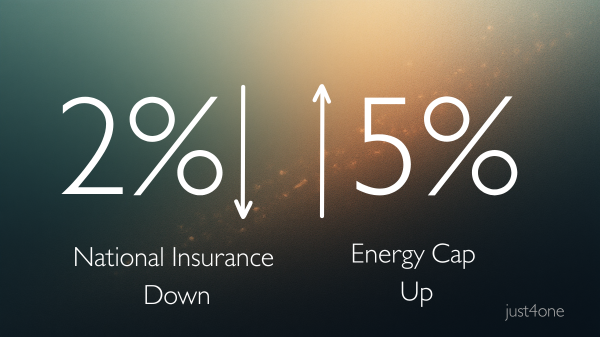
Sure, we can look forward to the possibility of reduced energy bills, and lower National Insurance contribution rates. But with the price of virtually everything else from phone and broadband deals, to water rates increasing, we can’t expect to be loosening our purse strings any time soon.
If you’re still not sure how the current cost of living in the UK is going to affect your household costs as a single person, here’s everything you need to know.
THE BILLS GOING UP FROM APRIL 2024
Unfortunately, the cost of living in the UK has been increasing steadily since 2022, and that doesn’t seem to be changing.
Even though house prices have dropped by 1.4% in the last year, according to the UK Government’s statistics, and energy bills are decreasing, most of us still have trouble making ends meet.
Here are some of the major bills going up from April 2024.
Phone and Broadband Costs
According to Money Saving Expert, and USwitch, the majority of mobile and broadband providers will be announcing price hikes of up to 8.8% this year. This increase is based on the inflation rates from last December, plus the rising cost of technology.
Consumer group Which? Even called the price hike strategy grossly unfair since the alternative option (leaving your contract and paying an exit fee) would be too expensive for most of us.
USwitch says the current increase will increase the individual cost for each customer by around £27.19 per year for broadband, and £24.23 per year for mobile bills. Some companies, like Virgin Media and Sky, are also extending the price increase to include television subscription services.
Our advice? If you haven’t switched contracts in a while, check to see if you’re in or out of contract, and consider looking for a cheaper deal as soon as you can and when you are negotiating contracts. DON’T let them talk you into an 18 month or 2 year contract, – sticking with a one year/ annual contract leaves you less exposed to price increases you’re unable to do anything about. (Some provider call centre staff are incredibly slick at this so be on full alert and haggle!).
Unfortunately, no tips will save you from the rise to TV license costs, which increased by £10.50 a year on the 1st of April.
Water Bills
It seems drastically unfair that us UK consumers have to pay so much for something as essential as water. Unfortunately, the price of water rates usually increases year after year too. This year, in 2024, the average water and sewerage bill will increase by 6% across England and Wales.
This means the annual average bill will increase to between £473 and £529 nationwide, although the price you actually pay will vary based on your location. According to Water UK, the price increases are intended to fund improvements in water and sewerage systems, and our bills will be reduced if those improvements aren’t delivered.
In Scotland, water and waste charges are rising even faster, at a rate of 8.8%. Notably, your individual bill can vary depending on your usage levels and regional variations. If your costs are extremely high, I’d recommend looking into the benefits of a water meter. You can also check out the WaterSure scheme in England for possible help with your bills.
Council Tax
I’ve long lamented the fact that single people only get a 25% discount on their council tax bills, particularly as council tax prices continue to rise nationwide. Obviously, there’s a purpose behind these taxes – they’re supposed to help pay for things like street lighting, and trash collection.
However, the price we pay for council tax can seem pretty aggressive. Some regions even have the ability to increase their bills by more than the standard 5% recommended, with government permission. For instance, in the next 2 years, council tax in Birmingham is expected to increase by up to 21%. Throughout Wales, increases will range between 5% and 16% for 2024.
In Ireland, rates are expected to rise by between 4% and 10%. However, there’s a current council tax freeze happening in Scotland, so good and helpful news for those living there.
Car Tax and Dentist Fees
During the UK Budget announcements, many drivers were happy to see that fuel duty was being frozen at its current level for another year. Plus, the 5p cut to this duty was extended again. Unfortunately, the cost of maintaining a car is still increasing.
Vehicle tax is rising, with the annual flat rate for any car registered April 1st, 2017, increasing by £10.
If all that has you gritting your teeth, it’s also worth remembering that dental prices will be increasing too. If you get your dentist care through the NHS, you can expect a rise of 4% this year, which means the average checkup will cost £1 extra if you’re not eligible for free dental care.
Food Costs: Food Bills Going Up and Down
We’ve all noticed the rising cost of food across the UK in 2024. Though these expenses weren’t addressed by the 2024 budget, we do know that food prices are up to around 25% higher than they were 2 years ago. Some prices are increasing faster than others.
For instance:
- Olive oil costs 39% more than it did last year
- Plums cost 24% more than a year ago
- Hot chocolate costs up to 22% more
- Carrots cost up to 22% more
Only a handful of products are actually cheaper than they were a year ago, such as Dry spaghetti or pasta (down 12.15%), whole milk (down 10%) and butter (down 8%).
THE BILLS GOING DOWN IN 2024
As I mentioned above, the UK budget didn’t give only bad news from a budgetary perspective.
National Insurance rates have been reduced from 10% to 8% for employees, and from 8% to 6% for those of you who are self-employed. That’s a potential saving of up to £450 per year if you’re earning the average full time salary in the UK (£35,000).
Plus, the salary earnings cap for child support has been increased from £50,000 to £60,000, boosting the number of people who can potentially access extra benefits. Jeremy Hunt even announced bonus schemes like:
- Longer repayment periods for emergency loans on Universal Credit
- The elimination of debt relief orders
- Reduced tax on the sale of secondary homes
- A new British Savings ISA giving investors £5,000 extra in tax-free allowance
Are Energy Bills Dropping in 2024?
The most significant positive change that’s likely to take place in 2024 is a change to the energy price cap. On Monday the 1st of April, Ofgem announced the cap had been reduced by 12%, meaning the average household could save £20 per month, at least for the next quarter.
Experts predicted the cap would fall by another 13% from July, but have since revised this figure, saying we can expect another drop of only 7.7%. This could lead to an average £10.83 saving on most household bills.
Although the decreases aren’t as huge as we might like, the average energy bill is the lowest its been for two years (around £1,690 at present).
Of course, there’s always a chance the reduction in the price cap might not impact your bills as much as you’d expect. Ultimately, the amount you spend will still depend on how much gas and electricity you use. Additionally, the fixed standing charge elements of energy bills is continuing to rise, so even if the per-unit cost drops, you might struggle with your energy bills.
BILLS GOING UP & DOWN IN THE UK: WHAT’S STAYING THE SAME?
Aside from a handful of insights into bills going up and down in the UK from April 2024, the UK Budget did share a few insights into things that appear to be staying the same. Funding for free childcare hours for children aged 9 months and above is going to continue for the next 2 years.
The Household support fund was also extended for another 6 months, and the freeze on fuel duty will continue for another year.
Beyond those things, everything else still seems to be in limbo.
So although some costs are falling, the cost of living crisis is far from over. If you’re struggling with your household bills, here are a few places where you can seek out advice.
We’ll also continue to share our top tips, advice, and insights here on the just4one blog. If you have any useful advice to offer, please reach out so we can share your thoughts with our community.


Leave A Comment