

Council Tax Rises: What they mean for you & 4 practical ideas to head it off
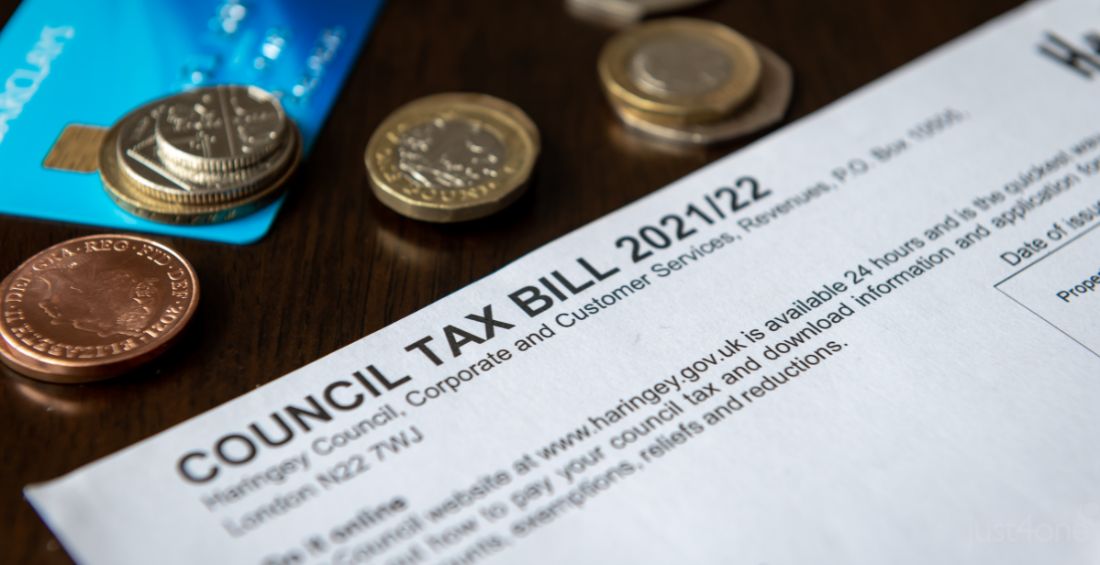
If you haven’t already opened it, your Council Tax bill has arrived and although we all need to pay for the services we get, for many single people living on ‘one household’ incomes this is one more bill in a hugely difficult time. So just how much has your Council Tax increased by and what does that mean for your budget? Here’s what it means for you
In England
Some local authorities in England have been given the go ahead to raise Council Tax by up to 4% this year. All local authorities have been authorised to increase the tax by up to 2%, and those local authorities with adult social care responsibilities can increase Council Tax by up to 4%. The average Band D Council Tax in England was £1,750, so the 4% rise brings this to £1,820 – an increase of around £70.
In Scotland
The 32 local authorities in Scotland agreed that they could raise their 2020/21 council tax bills by up to 4.84%. Rises range from 3% to 4.84% with average council tax bill of now around £1301 for a Band D property.
In Wales
Increased funding has meant that Council tax bills in most parts of Wales will not be going up by as much as last year. Tax rises in April 2020 will range from 2.85% in Rhondda Cynon Taf though to 6.95% in Wrexham and Newport. This has meant an average Band D Council tax bill of around £1,380, although this doesn’t include charges for police or town and community councils
In Northern Ireland
Local authorities in Northern Ireland have a rates system based on the capital, or market value of homes instead of a Council Tax. With a district increase of 1.98% this year, equivalent to an average weekly increase of 62p per month, or £7.44 per year, for a house their increase is the lowest.
Although there is no automatic right to single occupier discounts in Northern Ireland there are allowances like rates relief for people on low incomes, the disabled and lone pensioners aged 70 and over.
BAND D: AVERAGE COUNCIL TAX BY REGION
ANNUAL BILL MONTHLY WITH SINGLE PERSON DISCOUNT (Subject to eligibility)
ENGLAND £1,820 £152 pm £1,365pa/£114pm
SCOTLAND £1, 301 £108 pm £976pa/£81pm
WALES £1,380 £115 pm £1035/£86pm plus up to £300 per year for police & local council costs
NORTHERN IRELAND info unavailable – Northern Ireland residents charged ‘Domestic Rates’
THE BOTTOM LINE
Although individual circumstances are different and this is relatively small increase this year as always the increase is disproportionately higher for single people even if you are claiming the discount you’re entitled too.
FOUR PRACTICAL STEPS TO HELP HEAD OFF YOUR COUNCIL TAX INCREASE
Just one of a number of price rises across all major household bills this year what practical steps can you take to head off the increase?
1. CLAIM YOUR SINGLE PERSON DISCOUNT
First and foremost, make sure you’re claiming your Council Tax discount, you’re entitled to it. If you haven’t been claiming it you may be able to make a backdated claim. Refunds on any over payments can go back as far as 1993 when Council Tax was introduced.
CHECK OUT OUR COUNCIL TAX GUIDE & HOW TO CLAIM YOUR DISCOUNT HERE
2. CHECK YOUR PROPERTY VALUATION & YOUR COUNCIL TAX BAND
Council tax is based on the value of value of the property concerned, rather than the income of the individuals who occupy them, (although many people, single or not, now think this is really unfair). The Council Tax band your home was given was based on the value of your property in 2005. You can search for property valuations in different council areas and apply for a revaluation if you think the capital value is wrong.
3. HELP KEEP COSTS DOWN
Do your bit to help costs down. Create an online account on your own local authorities’ website and manage your future Council Tax bills via e mail so they don’t have to post it, yes this may seem trivial but at 76p for First Class Stamps, it all adds up for them and saves a lot of trees. The portal will give you full access to your account so you can notify them of any changes and apply for discounts and exemptions you’re entitled too.
And lobby your local Councillors. Ask them what they’re doing their bit to keep costs and your Council Tax bill down? Let them know you’re on the case.
4. LOOK INTO RENTING A ROOM IN FUTURE YEARS – (BUT ONLY WHEN CORONAVIRUS IS BEHIND US)
‘The Governments Rent a Room Scheme allows owner occupiers and tenants to receive tax-free rental income if you provide furnished accommodation in your only or main home. For the tax year 2018 to 2019, the annual Rent a Room limit is £7,500. The limit is the same even if you let accommodation for less than 12 months.
If you have a spare room and you have the legal right to rent it out, think about getting a lodger. The Government’s Rent a Room Scheme allowed you to earn up to £7,500 per year in 2018/9 FREE OF TAX from letting out furnished accommodation within your home. That’s equivalent to around £625 a month. There’s no update on 2020 allowances at the moment but even at 2019 levels, that’s a big chunk of income.
So, although you will lose your Council Tax discount, the extra income you earn will cover the increase and help with your bills. You’ll need to do some careful thinking before deciding whether taking in a lodger is definitely the right option for you. You’ll need to make sure that you’re comfortable about sharing your home and any loss of privacy it may involve.
How is the increase in Council Tax affecting you? Do you think the current discount for single households is fair? TELL US WHAT YOU THINK.
What to do if you’re struggling to pay your Council Tax
Council Tax is classified as a ‘priority debt’ which means you need to pay it before any other debts like credit cards. As always when you find yourself struggling with any debt, don’t wait until it becomes a major problem, contact your local authority and let them know straight away.
Ask the council if they’ll let you pay your Council tax in smaller amounts. They may ask you to commit to paying a regular amount each month after you worked out what you can honestly afford. You may even be able to get a reduction on your Council Tax bill if you’re on a low income. Each Council runs its own scheme, so you’ll need to get in touch with them to find out more.
Find out more from the CITIZENS ADVICE


Leave A Comment